 TR
 EN


ABSTRACT
Objective
Preterm birth (<37 weeks of gestation) is increasing globally and represents a major public health concern. According to data from the World Health Organization, the preterm birth rate exceeds 10%, with Türkiye classified among countries at moderate risk. According to 2024 data, the preterm birth rate in Türkiye is 13.4%. Preterm infants are at high risk of vaccine-preventable infections due to the immaturity of their immune systems, insufficient maternal antibody transfer, and physiological vulnerability. The development of adaptive immunity is delayed in preterm infants, and their antibody responses are lower than those of term infants. However, vaccines administered early in life have also been shown to stimulate the immune response and generally induce protective levels of immunity. Overall, vaccines are safe, immunogenic, and well tolerated in preterm infants. However, factors such as clinical instability, concerns among healthcare professionals regarding vaccine safety and efficacy, fear of adverse effects, and the lack of standardized recommendations constitute an important gap in clinical practice. This may lead to delays in vaccination among preterm infants. As the Pediatric Infectious Diseases and Immunization Society, the aim of our recommendations is to evaluate the current scientific evidence regarding the vaccination of preterm infants and to share our views with our colleagues, through the recommendations developed, in order to increase vaccination rates among these infants, for whom vaccine hesitancy may occasionally occur.
KEYWORDS
Immunization schedule, preterm infant, vaccination, vaccine
safety
SCOPE AND TARGET AUDIENCE
This report has been prepared to support clinical practice in accordance with the available scientific evidence and current recommendations regarding the timing, administration, and monitoring of vaccination in preterm infants. In addition to considerations such as clinical stability, birth weight, chronological age, and specific risk conditions in the vaccination of preterm infants, it addresses specific administration approaches required for different vaccines.
The primary target audience of this report comprises healthcare professionals responsible for the follow-up and vaccination of preterm infants. Accordingly, the intended users of the report include pediatricians, c infectious disease specialists, neonatologists, family physicians, as well as physicians and nurses working in hospital immunization units.
INTRODUCTION
Definition and Epidemiological Overview
Preterm birth is defined as birth occurring before 37 weeks of gestation and is classified according to gestational age as extremely preterm (<28 weeks), very preterm (28–32 weeks), and moderate-to-late preterm (32–37 weeks).
Based on birth weight, newborns are classified as low birth weight (<2500 grams), very low birth weight (<1500 grams), and extremely low birth weight (<1000 grams). WHO (2020) data indicate that the global preterm birth rate exceeds 10%, corresponding to approximately 13.4 million cases.
Regional analyses demonstrate that the highest risk is concentrated in South Asia and sub-Saharan Africa, whereas rates are relatively lower in regions such as Europe and East Asia. Türkiye is classified within the moderate-risk range, with a prevalence of 10–15% (1,2). According to 2024 data, the preterm birth rate in Türkiye is 13.4%. Of these infants, 3.4% are extremely preterm, 7.1% are very preterm, and 89.5% are moderate-to-late preterm (3).
Immunological Maturation and Vaccination Approaches in Preterm Infants
Preterm infants constitute a group at increased risk of vaccine-preventable diseases due to the incomplete development of the skin and mucosal barriers, immunological immaturity of their immune systems, physiological vulnerability associated with low birth weight, limited placental antibody transfer, and prolonged hospitalization in neonatal intensive care units (4,5).
Regarding the immunological maturation of the immune system in preterm infants, the development of adaptive immunity and antibody production extends throughout the first two years of life. In addition, the placental transfer of maternal antibodies begins at 17–18 weeks of gestation and increases with advancing gestational age; therefore, infants born prematurely also benefit less from maternal protection. A study by Sioriki et al. demonstrated that, during the first two postnatal months, preterm infants had lower absolute lymphocyte, T-cell (Treg), B-cell, and helper T-cell counts, as well as lower CD4/CD8 ratios, compared with term infants (6). Regulatory T cells, which are more abundant in the circulation of preterm infants, are necessary for immunological tolerance toward the developing fetus; however, they also increase the risk of neonatal infection. The increased risk of infection supports the need for early vaccination (5,7,8). Similarly, although the incomplete differentiation of B-cell receptors before the third trimester limits antigen recognition capacity, early exposure to vaccine antigens has been observed to accelerate this developmental stage by stimulating the maturation of the humoral immune response. Furthermore, insufficient transplacental transfer of maternal antibodies is considered likely to positively influence vaccine immunogenicity in preterm infants (6). Considering these immunological mechanisms, although antibody responses to the initial vaccine doses are lower than those observed in term infants, protective concentrations are generally achieved and immune memory is successfully induced.
Vaccines are generally immunogenic, safe, and well tolerated in preterm infants (9). Consequently, clinically stable preterm infants without any contraindication to vaccination should, with a few exceptions, receive routinely recommended childhood vaccines at the same chronological age as term infants.
A medically stable infant is defined as an infant with no signs or symptoms of acute infection or metabolic, neurological, or respiratory disorders and who is cardiovascularly stable. Vaccination may be temporarily deferred in clinically unstable preterm infants. Clinically unstable preterm infants are those with moderate or severe acute illness due to active infection (sepsis, necrotizing enterocolitis), progressive respiratory failure, frequent episodes of apnea or bradycardia, or acute neurological or metabolic disorders. In these cases, vaccination may be deferred to prevent potential vaccine-related reactions from causing diagnostic confusion and complicating the clinical assessment of the underlying acute illness. However, this should not be considered a permanent contraindication; as soon as clinical stability is achieved, vaccination according to chronological age should be initiated without delay. Cardiorespiratory events, bradycardia, and apnea may occur following certain vaccines (hexavalent combination vaccine, hepatitis B, pneumococcal vaccine) in extremely low and very low birth weight infants. This risk is known to be increased particularly in infants requiring complex medical treatment or with a history of apnea before vaccination. Cardiorespiratory events frequently resolve spontaneously; however, hospitalized preterm infants should be considered for monitoring for apnea or bradycardia for up to 48–72 hours following vaccination, and subsequent vaccinations of infants who develop apnea should be considered under medical supervision. In both preterm and term newborns, the anterolateral thigh muscle (vastus lateralis) should be preferred for intramuscular injections. In this age group, needles approximately 5/8 inch (≈16 mm) in length are generally considered sufficient to reach the muscle layer (4,10–15).
Recommendation of the Pediatric Infectious Diseases and Immunization Society:
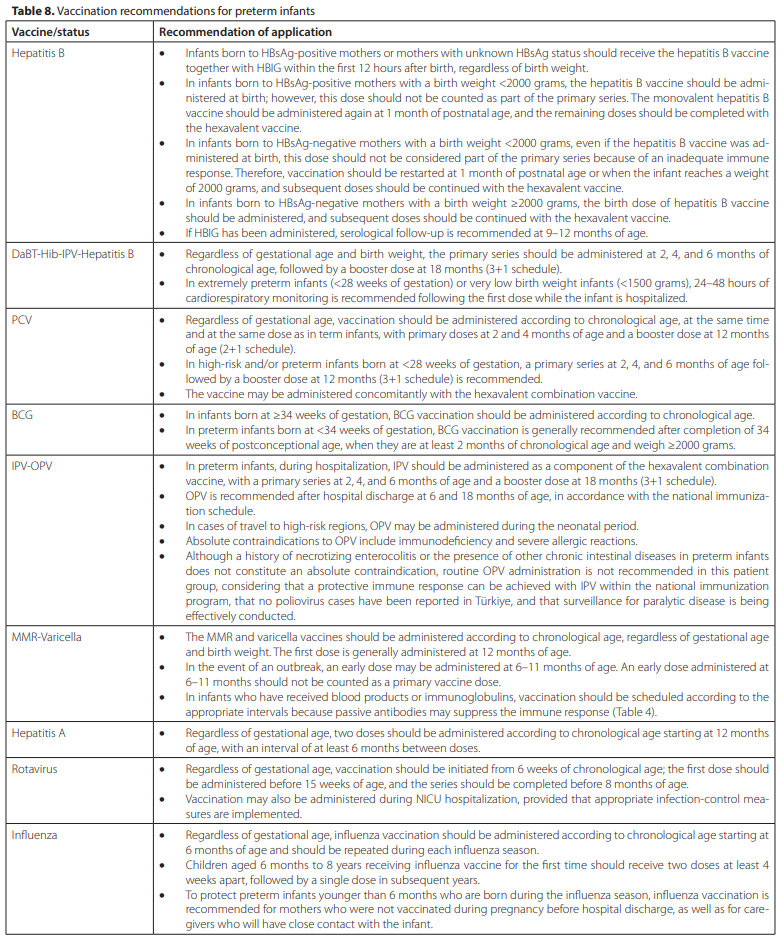
1. Vaccines are immunogenic, safe, and well tolerated in preterm infants; vaccination should be performed according to postnatal age.
2. In both preterm and term newborns, the anterolateral thigh muscle (vastus lateralis) should be preferred for intramuscular injections.
3. Needles measuring 5/8 inch (≈16 mm) in length should be used for injection to reach the muscle layer.
Vaccination of Preterm Infants – Routine Vaccination Recommendations
1. Hepatitis B Vaccination
Hepatitis B virus (HBV) is of major importance because of the risk of developing lifelong chronic infection, particularly when transmission occurs during the neonatal period. The rate of chronicity in HBV infection acquired through perinatal transmission may reach up to 90%, predisposing affected individuals to serious long-term complications such as cirrhosis and hepatocellular carcinoma. Therefore, timely and appropriate hepatitis B vaccination is one of the most effective methods of reducing the burden of disease at both the individual and population levels (9,12,15).
Concerns regarding potentially inadequate immune responses following hepatitis B vaccination, together with the physiological characteristics associated with prematurity, may cause hesitation among clinicians and consequently lead to delays in vaccination (16,17). However, current evidence demonstrates that preterm infants develop adequate immune responses when appropriate vaccination schedules are used and that delayed vaccination increases the risk of infection. Seroconversion rates have been reported to be lower particularly in infants weighing less than 1000 grams; in contrast, among preterm infants born after 34 weeks of gestation and with a birth weight above 2000 grams, the immune response approaches that observed in term infants (9). Accordingly, international guidelines emphasize that the hepatitis B vaccine dose administered at birth to infants with a birth weight below 2000 grams should not be counted as part of the primary series (4,13,18,19).
Hexavalent [Diphtheria, tetanus, acellular pertussis (DTaP), inactivated poliovirus (IPV), Haemophilus influenzae type b (Hib), and hepatitis B (HBV)] vaccines, which are commonly used in national immunization programs, have been shown to be safe and sufficiently immunogenic in preterm infants. Following the primary series with these vaccines, protective anti-HBs levels have been reported in more than 90% of preterm infants (17). Furthermore, studies comparing hexavalent and pentavalent combination vaccines have demonstrated that both vaccines have similar adverse-event profiles and induce protective anti-HBs levels, indicating that both approaches can be safely used in immunization programs (10,20–22).
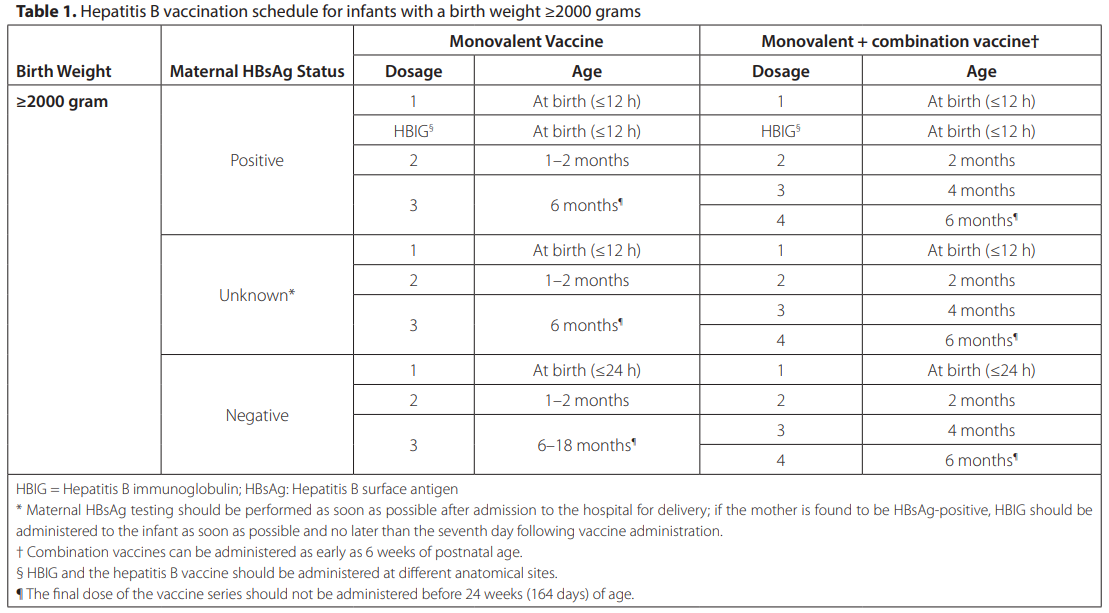
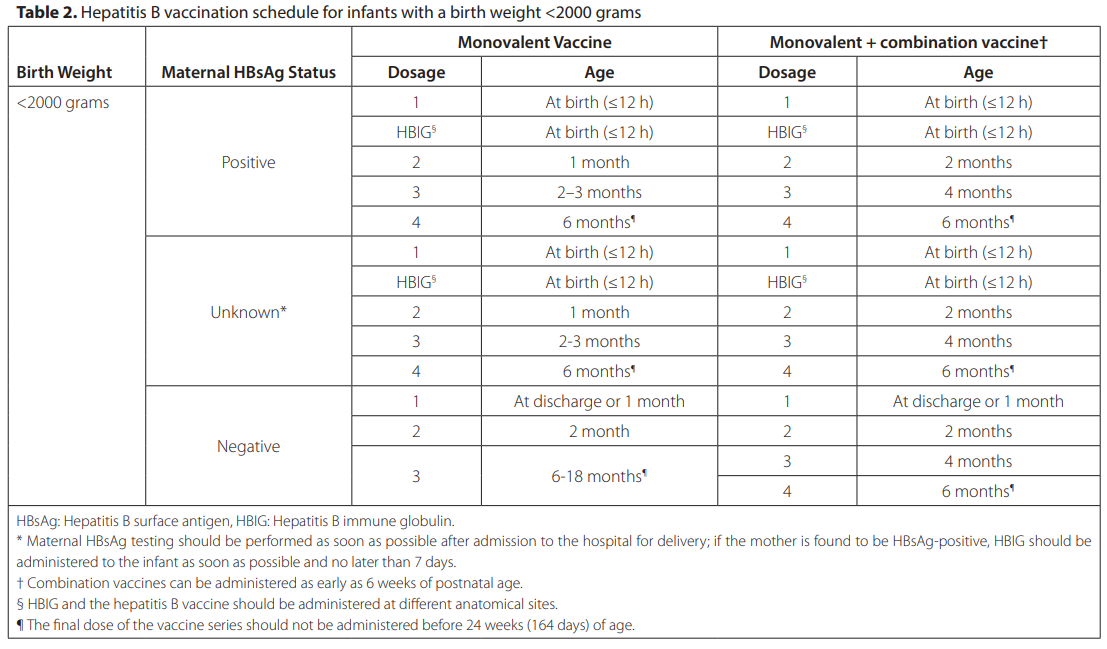
According to current guidelines issued by the United States Advisory Committee on Immunization Practices (ACIP), all newborns are recommended to receive a monovalent hepatitis B vaccine within the first 24 hours after birth, regardless of maternal hepatitis B surface antigen (HbsAg) status (19). Similarly, national programs recommend administration of the monovalent hepatitis B vaccine at birth to all newborns, including preterm infants. However, in infants with a birth weight below 2000 grams, the dose administered at birth is considered invalid because of reduced immunogenicity and is not included in the primary vaccination series (4,15,19,23). As the Pediatric Infectious Diseases and Immunization Society, in accordance with the recommendations of the Ministry of Health of the Republic of Türkiye, the birth dose of the hepatitis B vaccine should be deferred in infants born to HBsAg-negative mothers with a birth weight below 2000 grams. Considering the period when a more adequate immune response is expected, the vaccine should be administered when the infant is at least 4 weeks of age or has reached a weight of 2000 grams, whichever occurs first. If, at the time of discharge, the infant has not yet reached 2000 grams and is younger than 1 month of age, the vaccine should not be administered at discharge but should instead be scheduled for the appropriate time. In this case, the interval between this dose and the hepatitis B component of the hexavalent vaccine should not be shorter than 4 weeks. However, the hexavalent vaccine should not be delayed solely to maintain a 4-week interval, and the vaccination schedule should be continued, as the total number of doses will be sufficient.
Infants born to HBsAg-positive mothers or mothers with unknown HBsAg status and with a birth weight below 2000 grams should be considered at high risk of perinatal transmission. In these infants, administration of the first dose of hepatitis B vaccine together with hepatitis B immune globulin (HBIG) within the first 12 hours after birth is mandatory. Although subsequent schedules vary among countries, the second dose is generally administered as a monovalent vaccine at 1 month of age or as a hexavalent vaccine at 6 weeks of age, and completion of a total four-dose vaccine series is recommended. In Türkiye, common practice involves administration of the monovalent hepatitis B vaccine at birth and at 1 month of age, followed by the hexavalent vaccine from 2 months of age onward. It is recommended that the final dose of the vaccine series not be administered before 24 weeks of age (4,15,19,23,24).
Some studies have reported that very low birth weight infants born to HBsAg-negative mothers may have lower antibody responses following a three-dose vaccination series; therefore, the importance of post-vaccination serological monitoring at 9–12 months of age has been emphasized. A four-dose schedule is recommended particularly for very low birth weight infants exposed to HBV, and HBsAg and anti-HBs levels should be assessed at 9–12 months of age (12,23). It should be taken into consideration that anti-HBs levels may remain positive for 4–6 months following HBIG administration; therefore, to avoid misinterpretation of passively acquired antibodies and to detect possible late infections, serological evaluation should be performed no earlier than 9 months of age (12,23,19).
Finally, an important consideration regarding hepatitis B vaccination is that administration of additional doses does not adversely affect the immune response and is considered safe. Therefore, additional doses do not pose a clinical concern in cases where the vaccination history is uncertain or repeat dosing is required. It is also known that transient HBsAg positivity may occur during the first few weeks following vaccination and may reflect vaccine-associated antigenemia. Accordingly, HBsAg positivity detected within the first 3–4 weeks after vaccination should be interpreted with caution (19,23,25).
Hepatitis B vaccination recommendations for preterm infants are summarized in Tables 1 and 2 (19).The recommendations within the framework of the national immunization schedule of Türkiye are summarized in Table 3.
Recommendation of the Pediatric Infectious Diseases and Immunization Society:
1. Infants born to HBsAg-positive mothers or mothers with unknown HBsAg status should receive the hepatitis B vaccine together with HBIG within the first 12 hours after birth, regardless of birth weight.
2. In infants born to HBsAg-positive mothers with a
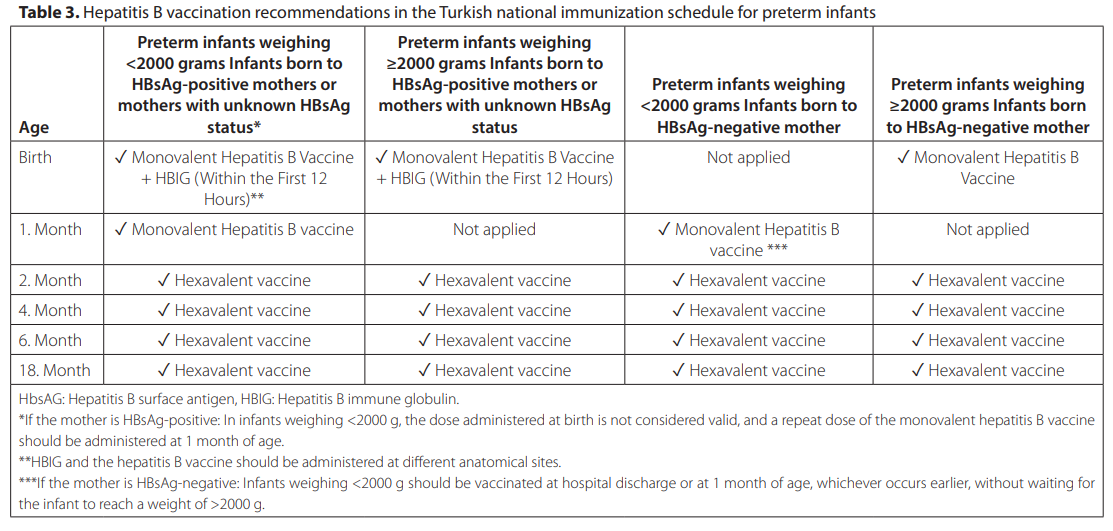
birth weight <2000 grams, the hepatitis B vaccine should be administered at birth; however, this dose should not be counted as part of the primary series. The monovalent hepatitis B vaccine should be administered again at 1 month of postnatal age, and the remaining doses should be completed with the hexavalent vaccine.
3. In infants born to HBsAg-negative mothers with a birth weight <2000 grams, even if the hepatitis B vaccine has been administered at birth, this dose should not be considered part of the primary series because of an inadequate immune response. Therefore, vaccination should be restarted at 1 month of postnatal age or when the infant reaches 2000 grams, and subsequent doses should be continued with the hexavalent vaccine.
4. In infants born to HBsAg-negative mothers with a birth weight ≥2000 grams, the birth dose of the hepatitis B vaccine should be administered, and subsequent doses should be continued with the hexavalent vaccine.
5. If HBIG has been administered, serologic follow-up is recommended at 9–12 months of age.
2. Conjugate Pneumococcal Vaccination
Streptococcus pneumoniae is one of the major causative agents of bacterial pneumonia and causes significant mortality by leading to invasive pneumococcal disease. Preterm and low birth weight infants are at increased risk of invasive pneumococcal diseases such as bacteremia, pneumonia, and meningitis compared with term infants. In a study by Shinefield et al., the risk of invasive pneumococcal disease was reported to be 2.6-fold and 1.6-fold higher in infants with a birth weight <2500 grams and in preterm infants born at <38 weeks of gestation, respectively, compared with infants of normal birth weight and term infants. In the same study, this risk was shown to be 6.7-fold and 9.1-fold higher in infants with a birth weight <1500 grams and in preterm infants born at <32 weeks of gestation, respectively (26). Because of this high risk, pneumococcal vaccination is considered a fundamental preventive strategy for the prevention of infections in preterm infants.
With the introduction of conjugate vaccines targeting pneumococcal capsular polysaccharides, a marked reduction in the incidence of invasive pneumococcal disease has been achieved. Accordingly, pneumococcal conjugate vaccines (PCVs) play a central role in the prevention of infections, particularly in preterm infants (9,12,16,23,26). Following the inclusion of PCVs in national immunization programs, significant reductions in the incidence of pneumococcal disease in childhood have been observed; global analyses have reported that the use of PCV13 alone has prevented millions of cases of invasive pneumococcal disease (27).
Current evidence recommends initiating the vaccination schedule in preterm infants according to chronological age, without adjustment for gestational age. Although immune responses to certain antigens may be lower in preterm infants, protective antibody levels have been shown to be achieved in most cases (9,12,13).
PCV schedules vary among countries. The recommendations of the American Academy of Pediatrics (AAP) and Australian guidelines include three primary doses and one booster dose (a primary series at 2, 4, and 6 months and a booster dose at 12–15 months), whereas the United Kingdom national immunization schedule consists of one primary dose and one booster dose (a primary dose at 4 months and a booster dose at 12 months) (4,13,28–30). As reflected in data from the European Centre for Disease Prevention and Control (ECDC), many European countries, including Türkiye, use a 2+1 schedule consisting of two primary doses and one booster dose of PCV (PCV13/15/20) in preterm infants without additional risk factors for invasive pneumococcal disease. In this schedule, the primary series is administered at 2 and 4 months of age, followed by a booster dose at 12 months (31). In preterm infants at risk for invasive pneumococcal disease, a 3+1 schedule consisting of three primary doses and one booster dose is generally preferred, with the primary series administered at 2, 4, and 6 months of age and a booster dose at 12 months.
New-generation PCV with broader serotype coverage (PCV15 and PCV20) are intended to provide protection against a wider range of serotypes. Clinical studies have demonstrated that coadministration of these vaccines with routine childhood vaccines is safe and induces an adequate immune response. Furthermore, administration of an additional booster dose contributes to adequate immune protection by compensating for the relatively lower antibody response that may be observed in preterm infants (9,16,30,32).
Risk factors for invasive pneumococcal disease have been defined for all children and include immunosuppression; functional or anatomical asplenia; chronic heart disease, including cyanotic congenital heart disease and heart failure; chronic lung disease, including severe asthma requiring prolonged high-dose corticosteroid therapy (children receiving corticosteroid treatment for >2 weeks at a dose of ≥2 mg/kg/day or >20 mg/day prednisone equivalent) and bronchopulmonary dysplasia in preterm infants; chronic kidney disease; diabetes mellitus; the presence of a cochlear implant; and conditions resulting in cerebrospinal fluid leakage. These risk factors also apply to preterm infants. In addition, Australian guidelines recommend a 3+1 schedule consisting of three primary doses and one booster dose for children with a history of invasive pneumococcal infection, trisomy 21, certain genetic disorders associated with an increased risk of infection, and preterm infants born at <28 weeks of gestation (4,24,29).
Certain clinical conditions should be taken into consideration when vaccinating preterm infants. In particular, clinical monitoring for 48–72 hours is recommended after the first vaccine dose in extremely low birth weight (<1000 g) infants because of the risk of apnea or bradycardia. Nevertheless, this is not a reason to postpone vaccination, as the morbidity and mortality associated with pneumococcal infection are considerably high in this patient group (16).
Following the concomitant administration of PCV (PCV13, PCV15, PCV20) and the hexavalent combination vaccine (DTaP-IPV-Hib-HepB) in preterm and term infants, episodes of apnea have been reported, particularly in preterm infants born at <28–30 weeks of gestation who remain hospitalized. These episodes have been shown to occur predominantly within the first 24–48 hours after vaccination, to generally be transient, and not to be associated with serious sequelae or long-term complications (4,16).
Recommendation of the Pediatric Infectious Diseases and Immunization Society:
1. Regardless of gestational age, vaccination should be administered according to chronological age, at the same time and at the same dose as in term infants, with primary doses at 2 and 4 months of age and a booster dose at 12 months (2+1 schedule).
2. In high-risk infants or preterm infants born at <28 weeks of gestation, a 3+1 schedule consisting of a primary series at 2, 4, and 6 months of age and a booster dose at 12 months is recommended.
3. It may be administered concomitantly with the hexavalent combination vaccine.
3. Oral Polio Vaccination
Poliovirus vaccination is an important component of routine childhood immunization programs. Vaccines developed against poliovirus are administered in two different forms: oral poliovirus vaccine (OPV) and inactivated poliovirus vaccine (IPV). OPV has an important advantage because it contains live attenuated poliovirus and reduces viral circulation in the community by inducing mucosal immunity. However, because it is a live vaccine, there are rare risks such as vaccine-associated paralytic poliomyelitis and the development of persistent infection, particularly in individuals with immunodeficiency (33).
Because IPV contains inactivated virus, it does not carry a risk of vaccine-associated poliomyelitis and is considered safe in preterm infants. Accordingly, in many countries where poliomyelitis has been eliminated, IPV has been adopted in routine childhood immunization schedules instead of OPV-containing schedules. IPV is generally administered as a component of the hexavalent combination vaccine. Although Türkiye has been among the regions where poliomyelitis has been eliminated since 2002, both OPV and IPV are used in the national immunization program to maintain immunity against poliovirus. Studies have shown that mean antibody titers against poliovirus serotypes I, II, and III are lower in preterm infants than in term infants; however, 100% seroconversion has been achieved in both groups (23,34). Current data indicate that IPV should be preferred for poliomyelitis vaccination in preterm infants, that an adequate immune response can be achieved, and that vaccination schedules should be implemented according to chronological age without adjustment for gestational age (9,12,16). In Türkiye, IPV is administered as a component of the hexavalent combination vaccine, with a primary series at 2, 4, and 6 months of age and a booster dose at 18 months, while OPV is administered at 6 and 18 months of age.
Because OPV contains live attenuated virus, immunodeficiency and severe allergic reactions are among its absolute contraindications. A history of necrotizing enterocolitis or other chronic intestinal diseases in preterm infants does not appear to constitute an absolute contraindication to OPV administration (33,35). However, considering that a protective immune response can be achieved with IPV within the national immunization program in this patient group, that no poliovirus cases have been reported in Türkiye, and that surveillance for paralytic disease is being effectively conducted, routine administration of OPV is not recommended for these children. In cases of travel to high-risk regions, OPV may be administered during the neonatal period.
In conclusion, poliovirus vaccination should not be delayed in preterm infants and should be administered according to chronological age and the national immunization schedule. Because poliovirus vaccine strains from OPV are shed in the stool, resulting in a potential risk of nosocomial transmission, IPV is preferred in infants who remain hospitalized (33).
Recommendation of the Pediatric Infectious Diseases and Immunization Society:
1. OPV is recommended to be administered after hospital discharge, at 6 and 18 months of age, in accordance with the national immunization schedule.
2. In the event of travel to high-risk regions, OPV may be administered during the neonatal period.
3. Absolute contraindications to OPV include immunodeficiency and severe allergic reactions.
4. Although a history of necrotizing enterocolitis or the presence of other chronic intestinal diseases in preterm infants does not constitute an absolute contraindication, routine administration of OPV to these children is not recommended, considering that a protective immune response can be achieved with IPV within the national immunization program in this patient group, that no poliovirus cases are observed in Türkiye, and that effective surveillance for paralytic disease is being conducted.
4. Bacillus Calmette-Guérin (BCG) Vaccination
Bacillus Calmette-Guérin is the only approved vaccine for the prevention of tuberculosis, which affects more than 10 million people worldwide each year. The BCG vaccine plays an important role in protection against severe forms of tuberculosis, particularly miliary tuberculosis and central nervous system tuberculosis in childhood. However, BCG vaccination is often delayed in preterm infants because of uncertainties regarding its safety and immunogenicity. Nevertheless, considering the broad coverage of the vaccine and the protection it provides against severe forms of tuberculosis, the World Health Organization report emphasizes that the decision to vaccinate preterm infants should not be delayed but should instead be individualized based on gestational age and clinical stability. The same report states that, according to data from a limited number of observational studies conducted in regions with a high prevalence of tuberculosis, BCG vaccination administered at birth is safe and effective in healthy preterm infants born at 32–36 weeks of gestation. However, it also notes that evidence regarding BCG vaccination in very and extremely preterm infants remains limited (36).
Furthermore, BCG administered during the neonatal period has been reported not only to provide tuberculosis-specific protection but also to exert heterologous immune effects through T-cell responses and trained innate immunity. Evidence also suggests that it may reduce neonatal mortality in low birth weight newborns, particularly deaths related to sepsis and respiratory tract infections (37–39).
The potential disadvantages of early BCG administration are largely theoretical. Systematic reviews and meta-analyses including clinically stable infants, most of whom had a gestational age >30 weeks and/or a birth weight >1500 g, have shown that BCG vaccination administered within the first 7 days after birth does not confer an additional risk of local adverse effects, lymphadenitis, scar formation, or mortality compared with delayed administration. However, it has been emphasized that studies with larger sample sizes are needed to evaluate rare serious adverse events (37). Similarly, in a randomized study conducted in preterm infants with a gestational age of 31–33 weeks, no significant differences in immunogenicity or local reactions were observed between BCG administered at birth and BCG administered at a postconceptional age of 34 weeks, and no serious complications were reported (40). Current evidence suggests that the BCG vaccine can be safely administered, particularly in preterm infants with a gestational age >30 weeks or a birth weight >1500 g.
In the routine immunization schedule in Türkiye, the BCG vaccine is administered at 2 months of age. In preterm infants born at >34 weeks of gestation, vaccination is administered according to chronological age, whereas in infants born at <34 weeks of gestation, BCG vaccination is recommended after completion of 34 weeks of postconceptional age, provided that the infant is at least 2 months of chronological age and has a body weight ≥2000 g. This approach is consistent with the recommendations of Sioriki et al. and the New Zealand Immunisation Advisory Centre (6,24).
Recommendation of the Pediatric Infectious Diseases and Immunization Society:
1. In infants with a gestational age of ≥34 weeks, the vaccine should be administered according to chronological age.
2. In preterm infants born at <34 weeks of gestation, vaccination is generally recommended after reaching 34 weeks of postconceptional age, when they are at least 2 months of chronological age and weigh ≥2000 grams.
5. Hexavalent Combination Vaccine (DTaP-IPV-HibHepB)
Combination vaccines have been included in the national immunization programs of many countries because they reduce the number of injections, improve the feasibility of national immunization programs and consequently increase vaccination rates, offer a better safety profile, and can be administered concomitantly with other vaccines such as Measles-Mumps-Rubella (MMR) and varicella vaccines (23,17,20).
Six-component (hexavalent) vaccines that provide protection against diphtheria, tetanus, pertussis, poliomyelitis, HBV, and Haemophilus influenzae type b are particularly important for preterm infants, who are at increased risk of severe forms of vaccine-preventable diseases. In a study by Omenaca et al., 92.5% of preterm infants were reported to be seropositive against all vaccine antigens following the three-dose primary series of the hexavalent combination vaccine, and these levels were considered protective (10). Similarly, other studies have demonstrated that hexavalent vaccines induce adequate protective antibody responses (9,17,20,21). In Türkiye, the hexavalent combination vaccine is administered as a primary series at 2, 4, and 6 months of age, followed by a booster dose at 18 months of age.
Pertussis is a respiratory tract infection that can cause severe morbidity and mortality, particularly during the first months of life. Preterm infants are at higher risk than term infants due to potentially associated bronchopulmonary dysplasia (BPD) or chronic lung disease. According to current immunization guidelines, pertussis vaccination in preterm infants should be scheduled according to chronological age, regardless of gestational age or birth weight. Therefore, as in most national programs, the first dose should be administered at 2 months of age as part of the hexavalent combination vaccine, and subsequent doses should be continued according to the routine schedule. Prematurity alone is not a reason to postpone vaccination; on the contrary, delaying vaccination may delay protection in these infants, who are at high risk of pertussis, particularly during the first months of life. Another important strategy for protecting preterm infants against pertussis is maternal Tdap vaccination. When administered during the third trimester of pregnancy, the resulting maternal antibodies are transferred to the fetus through the placenta, providing passive immunity during the neonatal period and reducing the risk of pertussis early in life (41,42).
In terms of safety, transient episodes of apnea or bradycardia have been reported following routine vaccination in preterm infants, and this has been shown to be particularly associated with DTP-containing vaccines. These episodes are observed more frequently in extremely preterm infants (<28–30 weeks of gestation) or very low birth weight infants. They generally occur within the first 24–48 hours after the first dose and are self-limiting. In a study by Omenaca et al., apnea was reported in 13–30% of medically stable preterm infants following administration of the hexavalent vaccine (10). Therefore, some guidelines recommend short-term cardiorespiratory monitoring following vaccination in extremely preterm infants who remain hospitalized. Nevertheless, these episodes are generally transient and do not constitute a serious safety concern requiring postponement of vaccination (43).
Recommendation of the Pediatric Infectious Diseases and Immunization Society:
1. Regardless of gestational age and birth weight, the vaccine should be administered according to chronological age as a primary series at 2, 4, and 6 months of age, followed by a booster dose at 18 months of age (3+1 schedule).
2. In extremely preterm infants (<28 weeks of gestation) or very low birth weight infants (<1500 grams), cardiorespiratory monitoring for 24–48 hours following the first dose is recommended while they are hospitalized.
6. Rotavirus Vaccination
Rotavirus is one of the most common causes of severe gastroenteritis in children under five years of age. In countries where rotavirus vaccination has been incorporated into national immunization programs, a marked reduction in hospitalization rates due to rotavirus gastroenteritis has been demonstrated. Rotavirus infections are known to be more severe and symptomatic in preterm infants. However, because of concerns regarding the potential transmission of vaccine virus to other infants in neonatal intensive care units (NICUs) and the possibility of reduced vaccine effectiveness, vaccination in these infants is often postponed during hospitalization. Nevertheless, preterm infants who are unable to initiate rotavirus vaccination within the first 15 weeks after birth because of hospitalization may miss the opportunity for vaccination due to the age restriction (44,45).
A study evaluating the oral, live attenuated human monovalent rotavirus vaccine (RV1) containing the G1P [8] strain demonstrated that administration of the vaccine to preterm infants born at 27–36 weeks of gestation according to the same schedule as term infants was both safe and effective (46). In another study conducted between 2007 and 2010, 217 preterm infants were vaccinated with the oral, live attenuated human-bovine reassortant pentavalent rotavirus vaccine (RV5). The safety profile of the vaccine was shown to be similar to that observed in term infants; furthermore, hospitalizations due to rotavirus gastroenteritis decreased by 2.6-fold during the first two rotavirus seasons and by 11-fold during the third season. These findings demonstrate that RV5 significantly reduces rotavirus-related hospitalizations in preterm infants (47). Current evidence indicates that rotavirus vaccines are safe and effective in preterm infants. Considering both the serious clinical consequences that rotavirus infections may cause in this population and the protective effect provided by vaccination, vaccination represents an important preventive healthcare intervention in preterm infants. Accordingly, in clinically stable preterm infants, rotavirus vaccination is recommended to begin from 6 weeks of chronological age, with the first dose administered before 15 weeks of age and the vaccination series completed before 8 months of age. According to the prescribing information for currently available vaccines, their use is authorized in infants born at ≥25/27 weeks of gestation. When vaccination cannot be administered during hospitalization, the first dose is recommended to be administered at discharge (12,16,24,44,45,48).
It is known that shedding of the vaccine strain in the stool may continue for an average of two weeks following rotavirus vaccination. This has raised concerns that viral shedding, particularly in the NICU, could result in nosocomial transmission. However, because the rotavirus vaccines in use contain live but markedly attenuated strains, reversion to highly virulent forms is not expected (16,49). In a study conducted in a NICU, viral shedding was detected in all 19 vaccinated infants; however, the vaccine virus genome was not detected in any samples obtained from 49 unvaccinated infants cared for in nearby beds within the same setting. These findings demonstrate that vaccine strains were not transmitted despite close contact under NICU conditions (50). Based on international vaccination guidelines, current recommendations indicate that the risk of viral transmission associated with rotavirus vaccination in NICUs is low, provided that standard infection-control recommendations and contact isolation precautions appropriate to the route of rotavirus transmission are rigorously implemented. Accordingly, administration of live attenuated rotavirus vaccines to clinically stable preterm infants is supported even during hospitalization. However, vaccination should be coordinated with infection control committees and neonatology teams. Standard infection-control precautions, such as the use of gloves and gowns during diaper changes, should be followed; where appropriate, additional isolation measures, such as placement in a single room, should also be considered (4,24,47–49).
When a recently vaccinated child is hospitalized for any reason, implementation of standard infection-control precautions is sufficient to prevent nosocomial transmission of the vaccine virus (49).
Rotavirus vaccines are contraindicated in individuals with a history of an anaphylactic reaction following a previous dose or to any vaccine component, severe combined immunodeficiency, a history of intussusception, or congenital anomalies predisposing to intussusception (51).
Recommendation of the Pediatric Infectious Diseases and Immunization Society:
1. Regardless of gestational age, vaccination should be initiated from 6 weeks of chronological age; the first dose should be administered before 15 weeks of age, and the series should be completed before 8 months of age.
2. Vaccination may also be administered during hospitalization in the NICU, provided that appropriate infection control measures are implemented.
7. Measles-Mumps-Rubella (MMR) and Varicella Vaccination
In preterm infants, administration of the MMR vaccine is scheduled according to chronological age, regardless of gestational age or birth weight. Accordingly, the first dose is generally administered at 12 months of age and the second dose between 4 and 6 years of age. In regions experiencing measles outbreaks or where there is high viral circulation in the community, an additional early dose is recommended between 6 and 11 months of age. This administration, referred to as an early dose or outbreak dose, does not replace the routine vaccination schedule. Prematurity or low birth weight alone does not constitute a contraindication to MMR vaccination; in clinically stable preterm infants, the immunogenicity and safety profiles have been reported to be similar to those in term infants (13,16,41,52).
Similarly, although varicella (Varicella zoster virus) infection is generally mild during childhood, it may result in more severe clinical manifestations, particularly in immunocompromised individuals and during early life. Because of the immaturity of the immune system in preterm infants and the fact that maternal antibody transfer is concentrated in the final trimester of pregnancy, preterm infants may become susceptible to varicella infection earlier than term infants. However, prematurity, low birth weight, mild infections, or antibiotic use do not constitute contraindications to varicella vaccination. Therefore, vaccination should be scheduled according to chronological age in accordance with current immunization programs; the first dose should generally be administered at 12 months of age and the second dose between 4 and 6 years of age (53).
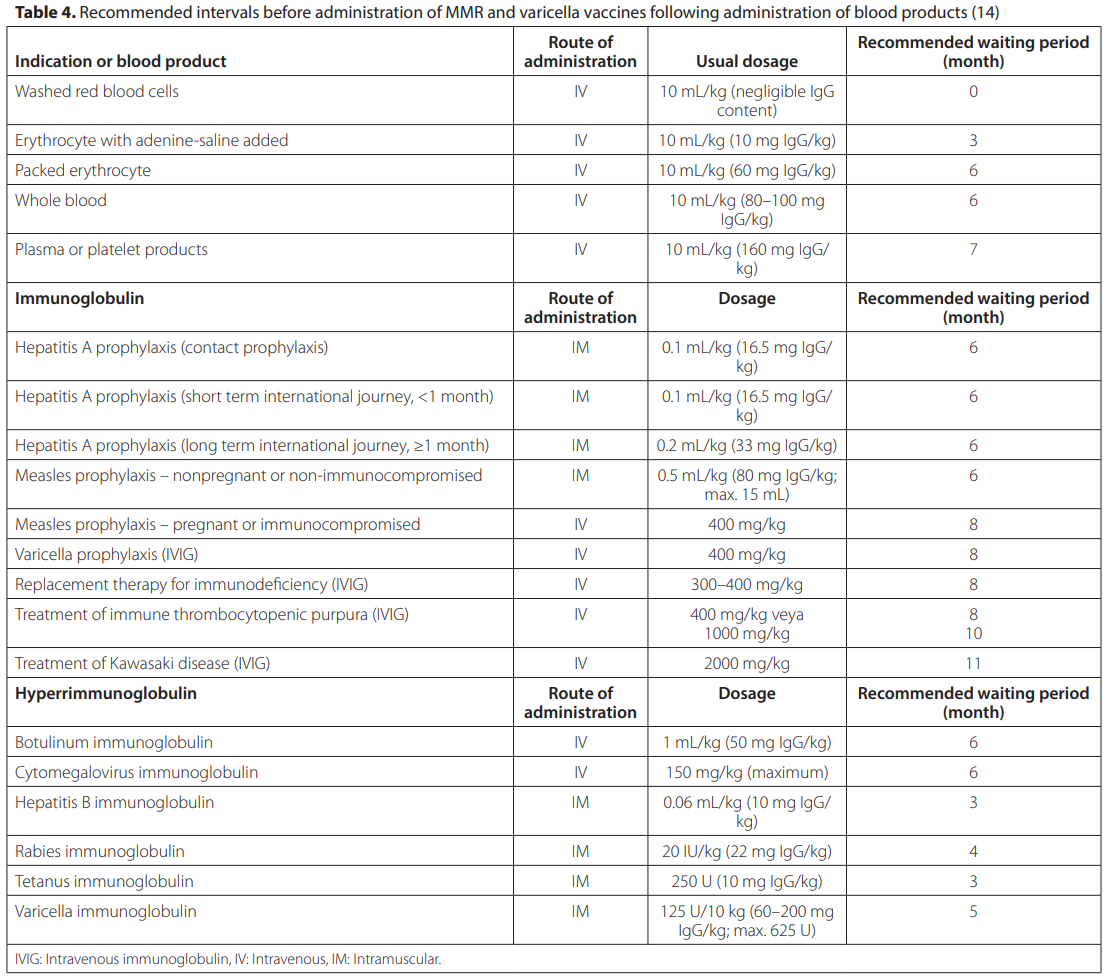
On the other hand, administration of the live attenuated MMR and varicella vaccines may need to be postponed following the administration of blood products or immunoglobulins. Because passively administered antibodies may suppress replication of the vaccine viruses and reduce the immune response, specific waiting periods are recommended depending on the type of product administered. This is of particular clinical importance in preterm infants because blood and blood products are more frequently used during the early period of life. In general, postponement for approximately 3 months following packed red blood cell or whole blood transfusion, 6–11 months following intravenous immunoglobulin (IVIG), and up to 11 months following high-dose or specific immunoglobulin preparations is recommended (14,41). These intervals vary according to the amount of immunoglobulin contained in the preparation used and are presented in detail in Table 4 (14).
Recommendation of the Pediatric Infectious Diseases and Immunization Society:
1. The MMR and varicella vaccines should be administered according to chronological age, regardless of gestational age and birth weight. The first dose is generally administered at 12 months of age.
2. In the event of an outbreak, an early dose may be administered at 6–11 months of age. An early dose administered at 6–11 months should not be counted as a primary vaccine dose.
3. In infants who have received blood products or immunoglobulins, vaccination should be scheduled after the appropriate intervals, as passive antibodies may suppress the immune response.
4. The interaction between blood products or immunoglobulin preparations and BCG or rotavirus vaccines is minimal; thus, vaccination does not require postponement.
8. Influenza Vaccination
The Centers for Disease Control and Prevention (CDC) recommends annual influenza vaccination for all individuals aged 6 months and older. Children under 5 years of age, particularly those younger than 2 years, are at increased risk of influenza-related hospitalization and morbidity. Preterm infants are considered to be at even higher risk because of the greater prevalence of underlying respiratory, cardiac, and neurological conditions. In preterm infants with chronic lung disease, the risk of influenza-related hospitalization is significantly higher than in term infants (12,54,55).
Preterm infants, particularly those with chronic lung disease, are at greater risk of influenza-related hospitalization than term infants. Because maternal antibodies may reduce the immune response when influenza vaccine is administered during the first six months of life, vaccination is recommended from 6 months of chronological age. To protect preterm infants younger than 6 months, a cocooning strategy is recommended as a preventive approach, including influenza vaccination of mothers who were not vaccinated during pregnancy before hospital discharge during the influenza season, as well as vaccination of household members and caregivers who will be in close contact with the infant (9,52,56).
Studies have demonstrated that the immune response to
influenza vaccination in preterm infants is similar to that observed in term infants and that no increased frequency of adverse events has been identified in this population (12,23). Accordingly, as in term infants, influenza vaccination in preterm infants is recommended to begin at 6 months of chronological age and to be repeated annually during each influenza season. In children older than 6 months and younger than 2 years, only the inactivated influenza vaccine may be administered. Children aged 6 months to 8 years receiving influenza vaccine for the first time should receive two doses at least 4 weeks apart; in subsequent years, vaccination should be continued with a single dose during each influenza season. Protective immunity is known to develop 1–2 weeks after the second dose. In individuals aged 9 years and older, a single annual dose of influenza vaccine is recommended regardless of vaccination history. Preterm children older than 2 years, as with term children, should be evaluated for medical risk factors that may predispose them to severe influenza infection and should be vaccinated accordingly (4,55).
Recommendation of the Pediatric Infectious Diseases and Immunization Society:
1. Regardless of gestational age, the influenza vaccine should be administered according to chronological age starting at 6 months of age and should be repeated during each influenza season.
2. Children aged 6 months to 8 years who are receiving the influenza vaccine for the first time should receive two doses at least 4 weeks apart, followed by a single dose in subsequent years.
3. To protect preterm infants younger than 6 months who are born during the influenza season, influenza vaccination is recommended for mothers who were not vaccinated during pregnancy before hospital discharge, as well as for caregivers who will be in close contact with the infant.
9. Meningococcal Vaccination (Men ACWY- Men B)
Neisseria meningitidis is one of the leading causes of invasive meningococcal disease, particularly in infants and young children during the first years of life. In a study by Calvert et al., preterm infants born at <37 weeks of gestation were shown to have a 1.6-fold higher risk of invasive meningococcal disease compared with term infants, while those born at <32 weeks had an approximately 3-fold higher risk. In addition, the risk of complications was reported to be higher in preterm infants (57). Meningococcal serogroups A, B, C, W, X, and Y are responsible for the vast majority of cases worldwide, and vaccines against five of these serogroups are widely used. In Türkiye, quadrivalent conjugate meningococcal vaccines covering serogroups A, C, W, and Y (Menactra, MenQuadfi, Menveo, and Nimenrix), as well as the four-component protein-based MenB vaccine (Bexsero) developed against serogroup B, are widely used. Although meningococcal vaccines are not routinely included in the Turkish National Immunization Schedule, vaccination covering five serogroups from early childhood onward is also recommended for preterm infants. In this context, Bexsero (4CMenB) and Menveo (MenACWY-CRM197) vaccines can be administered from two months of age; MenQuadfi (MenACWY-TT) and Nimenrix (MenACWY-TT) from six weeks of age; and Menactra (MenACWY-DT) from nine months of age.
For the prevention of invasive meningococcal disease, clinically stable preterm infants may receive meningococcal vaccines from 6 weeks of chronological age, as in term infants. Hospitalized extremely preterm infants (<28 weeks of gestation or <1500 grams), particularly those with a history of respiratory failure, should undergo respiratory monitoring for 48–72 hours when receiving their first vaccinations. If the infant experiences apnea, bradycardia, or desaturation following the first vaccination, the second vaccine dose should also be administered in the hospital with 48–72 hours of respiratory monitoring. Infants who are clinically stable at discharge and have no history of apnea or respiratory distress may be vaccinated at community health centers (family health centers). Given the substantial benefits of vaccination in this group of infants, vaccines should neither be omitted nor delayed (23,57–59).
As with other vaccines, antibody levels following the initial doses of the 4CMenB vaccine may be lower in preterm infants than in term infants. Nevertheless, after completion of the three-dose vaccination schedule (a two-dose primary series and one booster dose), antibody levels assessed at 1 year of age have been shown to be adequate and comparable to those in term infants. Administering the first two doses at a 1-month interval rather than a 2-month interval has been emphasized as potentially providing a higher antibody response during early infancy. Accordingly, in the United Kingdom national immunization schedule, the 4CMenB vaccine is administered at 2, 3, and 12 months of age, with a 1-month interval between the first two doses. Because fever is a common adverse effect of the 4CMenB vaccine, particularly when it is administered concomitantly with other vaccines, the use of paracetamol is recommended following vaccination, especially during the first 24 hours (16,60–62).
Quadrivalent conjugate meningococcal vaccines containing serogroups ACWY are generally recommended as a two-dose schedule in infants younger than 12 months. In countries with a low endemic incidence of meningococcal disease, a single-dose schedule may be preferred in children older than 12 months. Nevertheless, it should be particularly emphasized that invasive meningococcal disease occurs most frequently during early childhood (16).
Recommendation of the Pediatric Infectious Diseases and Immunization Society:
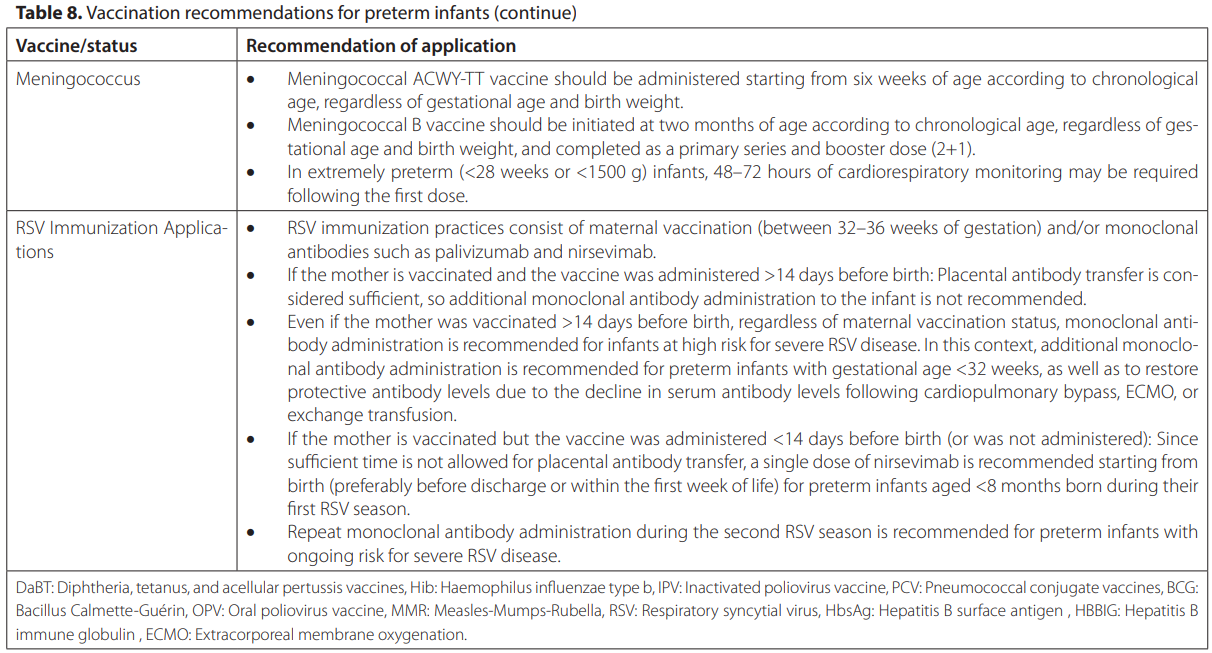
1. Regardless of gestational age and birth weight, families should be informed that the MenACWY conjugate vaccine can be administered from two months of chronological age.
2. Similarly, regardless of gestational age and birth weight, families should be informed that vaccination against serogroup B can be initiated with the first dose of MenB at two months of chronological age and completed as a primary series and booster dose (2+1 schedule).
3. In extremely preterm infants (less than 28 weeks of gestation or birth weight less than 1500 g), cardiorespiratory monitoring for 48–72 hours may be required following the first dose.
10. Prevention of RSV Infections in Children: Maternal Vaccination and Current Monoclonal Antibodies
Respiratory syncytial virus (RSV) is one of the leading causes of acute lower respiratory tract infections and hospitalization in young children. RSV can cause severe clinical disease in infants and young children, potentially requiring hospitalization and admission to the intensive care unit. Although a large proportion of infants hospitalized due to RSV are previously healthy children, it is well established that children with prematurity, bronchopulmonary dysplasia (BPD), and other underlying chronic conditions may develop more severe disease and complications. In recent years, various prophylactic interventions against RSV have been developed. These interventions are primarily based on two strategies: maternal vaccination during pregnancy to provide passive immunity to the newborn and the administration of monoclonal antibodies to infants. In this context, palivizumab, nirsevimab, and clesrovimab are among the principal monoclonal antibodies currently in use (63,64).
Maternal RSV Vaccine (RSVpreF–Abrysvo)
Maternal immunization aims to protect the newborn against RSV infection during early life through the transplacental transfer of antibodies. The RSVpreF (Abrysvo) vaccine, which received FDA approval in August 2023, is licensed for administration between 32 and 36 weeks of gestation. The World Health Organization (WHO) recommends that maternal RSV vaccination be administered after 28 weeks of gestation. Similarly, maternal RSV vaccination is administered from 28 weeks of gestation in the national immunization programs of the United Kingdom and Australia.
A meta-analysis evaluating the efficacy and safety of a single dose of RSV vaccine administered during pregnancy in preventing lower respiratory tract infections in infants and newborns showed that infants were followed for 180 days and that, during this period, the incidence of RSV-associated lower respiratory tract infection and severe RSV disease was significantly lower than in the placebo group. The vaccine demonstrated an acceptable safety profile, with no significant difference between the vaccine and placebo groups in terms of serious adverse events. The vaccine is administered as a single dose, and routine repeat dosing in subsequent pregnancies is not recommended because of insufficient available data.
Pregnant women are recommended to be vaccinated approximately 1–2 months before the beginning of the RSV season (from September) until 2–3 months before the end of the season (through January) to protect their infants against RSV infection during the first 6 months of life. However, because adequate levels of passively transferred antibodies may not be achieved in every infant following maternal vaccination, protection of the infant with a monoclonal antibody is recommended in certain circumstances. If the mother has not received the RSV vaccine or if the vaccine was administered less than 14 days before delivery, administration of a monoclonal antibody to the infant is recommended because sufficient transplacental transfer of maternal antibodies is unlikely to occur. Even if the mother was vaccinated more than 14 days before delivery, monoclonal antibody administration is recommended, regardless of maternal vaccination status, for infants at high risk of severe RSV disease. In this context, considering that transplacentally acquired maternal RSV antibodies may be reduced in preterm infants born at <32 weeks of gestation and following cardiopulmonary bypass, extracorporeal membrane oxygenation (ECMO), or exchange transfusion, administration of an additional monoclonal antibody is recommended to restore protective antibody levels (65-67).
Recommendation of the Pediatric Infectious Diseases and Immunization Society:
1. If the mother has been vaccinated and the vaccine was administered >14 days before delivery: As transplacental antibody transfer is considered adequate, administration of an additional monoclonal antibody to the infant is not recommended.
2. Even if the mother was vaccinated >14 days before delivery, monoclonal antibody administration is recommended, regardless of maternal vaccination status, for infants at high risk of severe RSV disease. In this context, administration of an additional monoclonal antibody is recommended in preterm infants born at <32 weeks of gestation and following cardiopulmonary bypass, ECMO, or exchange transfusion to restore protective antibody levels because of reduced serum antibody levels.
3. If the mother has been vaccinated but the vaccine was administered <14 days before delivery (or if the mother was not vaccinated): As insufficient time has elapsed for adequate transplacental antibody transfer, administration of a monoclonal antibody to the infant is recommended.
RSV-Specific Monoclonal Antibodies
A. Palivizumab (SYNAGIS) – Short-Acting
Palivizumab, which has been FDA-approved since 1998, is a monoclonal antibody that requires multiple-dose administration because of its short half-life. Following the development of more effective, single-dose alternative agents, palivizumab is known to be no longer readily available or preferred
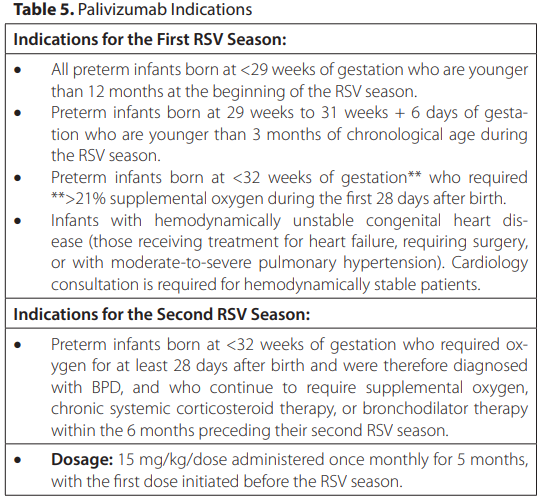
in the United States. Nevertheless, in countries where full access to newer monoclonal antibodies is not available, its use continues within approved indications. Its indications are presented in Table 5 (69).
In the American Academy of Pediatrics’ 2014 guideline on the prevention of acute bronchiolitis, palivizumab was described as an option for prophylactic use during the RSV season in selected high-risk groups other than preterm infants. These risk groups included children with Down syndrome who had congenital heart disease or a history of preterm birth; patients with cystic fibrosis who exhibited clinical evidence of chronic lung disease during the first year of life; children with neuromuscular disease severe enough to impair clearance of respiratory secretions or with congenital airway anomalies; and hematopoietic stem cell transplant recipients with severe immunosuppression (69).
B. Nirsevimab BEYFORTUS™ (Long-Acting)
Nirsevimab, a long-acting monoclonal antibody approved by the Food and Drug Administration (FDA) in July 2023, is considered a prominent agent in current RSV prophylaxis. In the MEDLEY study, preterm infants born at ≤35 weeks of gestation and high-risk infants with congenital heart disease or chronic lung disease associated with prematurity received either nirsevimab or palivizumab during their first and second RSV seasons. Participants were randomly assigned to receive either a single dose of nirsevimab (followed by placebo for 4 months) or five monthly doses of palivizumab. Antibody levels were measured in serum samples collected at baseline (before dosing) and on days 31, 151, and 361. The study results demonstrated that RSV-neutralizing antibody levels in infants receiving nirsevimab were approximately 10-fold higher than those in the palivizumab group and that these elevated levels were maintained for approximately one year (68). In the ARMONIE study, nirsevimab was shown to significantly reduce RSV-associated lower respiratory tract infections and hospitalizations, particularly those due to very severe disease, in preterm and term infants born at ≥29 weeks of gestation (70). However, data on the use of nirsevimab in preterm infants born at <29 weeks of gestation remain limited. Given its advantages over palivizumab, including a broader indication encompassing healthy infants, single-dose administration, and longer-lasting protection, nirsevimab has become a frequently preferred option for RSV prophylaxis where available.
Administration of RSV immunoglobulin during the first week of life is recommended for infants born shortly before or during the RSV season. In infants requiring prolonged hospitalization due to prematurity or other reasons, RSV immunoglobulin should be administered before or immediately after hospital discharge. Safety data regarding the use of RSV
immunoglobulin in infants with a postnatal gestational age of <32 weeks or weighing <1.6 kg are limited (71,72).
Indications for the first RSV season: In all infants younger than 8 months who are born during the RSV season or are entering their first RSV season, a single dose of nirsevimab is recommended within the first week after birth when maternal immunization has not been provided (i.e., the mother did not receive an RSV vaccine during pregnancy) or when the maternal vaccination status is unknown. In the United Kingdom, where RSV vaccination during pregnancy is routinely implemented, the indications for nirsevimab use in infants are more selective. In this context, nirsevimab is recommended particularly for infants with additional underlying risk factors or for preterm infants born at <32 weeks of gestation (73).
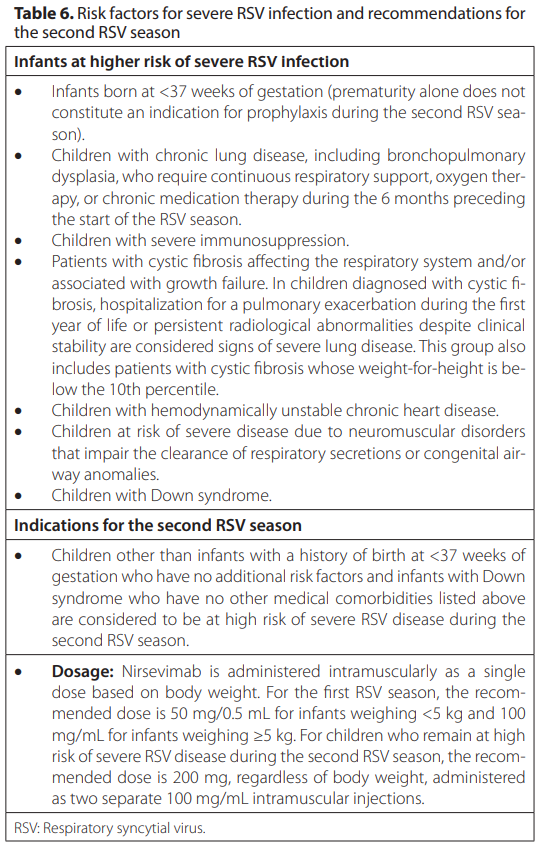
Indications for the second RSV season: Nirsevimab may be administered before or during the second RSV season to children aged 8–19 months who remain at risk of severe RSV
disease (and who may have received palivizumab prophylaxis during their first RSV season). The risk groups for whom nirsevimab is recommended when entering the second RSV season are summarized below (Table 6) (63,74).
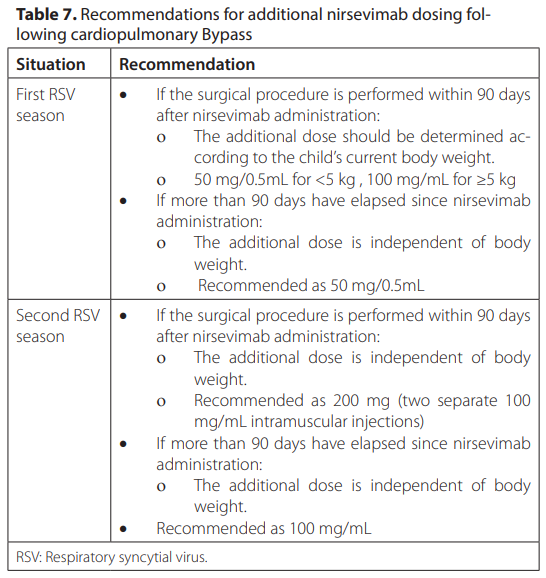
An additional dose is recommended following cardiopulmonary bypass, ECMO, or exchange transfusion to restore reduced serum nirsevimab levels to adequate protective levels (Table 7). A repeat dose is not required following routine blood transfusion (67).
C. Clesrovimab ENFLONSIA™
Clesrovimab is a novel monoclonal antibody that received FDA approval in August 2025.
Characteristics and Dosage: Unlike other agents, it is approved for use in infants aged ≤12 months. Regardless of the infant’s body weight, it is administered as a single intramuscular dose of 105 mg/0.7 mL. For infants undergoing cardiac surgery with cardiopulmonary bypass or entering their first RSV season, an additional 105 mg dose is recommended as soon as the infant is clinically stable after surgery.
Clinical Decision-Making and Administration Algorithm for the Prevention of RSV Infection
Maternal vaccination status directly determines the infant’s need for postnatal prophylaxis:
• If the mother has been vaccinated, the vaccine was administered >14 days before delivery, and there is no placental pathology: Transplacental antibody transfer is considered adequate; therefore, administration of an additional monoclonal antibody to the infant is not recommended. • If the mother has been vaccinated but the vaccine was administered <14 days before delivery (or was not administered): Because insufficient time has elapsed for adequate transplacental antibody transfer, administration of a monoclonal antibody to the infant is recommended.
• If the mother is unvaccinated: Infants aged <8 months who are born during their first RSV season should receive an initial dose of a monoclonal antibody. For high-risk infants in this group, prophylaxis is again recommended during the second RSV season (8–19 months of age).
• Regardless of maternal vaccination status: Infants born to mothers who did not develop an adequate immune response to RSV vaccination, preterm infants born at <32 weeks of gestation, infants born to human immunodeficiency virus-positive mothers, infants who have undergone cardiopulmonary bypass, extracorporeal membrane oxygenation (ECMO), or exchange transfusion, and infants aged <8 months with conditions associated with an increased risk of severe RSV disease (e.g., hemodynamically unstable congenital heart disease) should receive an initial dose of a monoclonal antibody (63,74,75).
• Monoclonal antibodies may be administered during hospitalization and concomitantly with routine childhood vaccines; no interval is required between their administration and live vaccines (74).
• Prophylaxis should be repeated during the second RSV season in infants aged 8–19 months who belong to highrisk groups.
Recommendations of the Pediatric Infectious Diseases and Immunization Society
1. During the RSV season, considering the reduction of risk in our country, RSV prophylaxis with a monoclonal antibody should be recommended for all infants younger than eight months who are born between the beginning of November and the end of March or who are entering their first RSV season.
2. If maternal vaccination has been administered:
a. If the vaccine was administered at least 14 days before delivery: Since transplacental antibody transfer is considered sufficient, administration of an additional monoclonal antibody to the infant is not necessary.
b. Even if the vaccine was administered at least 14 days before delivery, monoclonal antibody administration should be recommended for infants at high risk of severe RSV disease, regardless of maternal vaccination status. Infants included in this category are:
• Preterm infants born at a gestational age of less than 32 weeks;
• Infants who have undergone cardiopulmonary bypass, extracorporeal membrane oxygenation (ECMO), or exchange transfusion, for whom administration of an additional monoclonal antibody is recommended to restore protective antibody levels due to decreased serum antibody concentrations following these procedures;
• Infants born to mothers with a history of placental insufficiency;
• Infants requiring prolonged mechanical ventilation;
• Infants with cyanotic congenital heart disease.
3. Monoclonal antibody administration may be recommended, following discussion with the family, for infants whose mothers received maternal vaccination, who are aged three months or older but younger than eight months as of November during the RSV season, and who have additional underlying risk factors.
CONCLUSION
Preterm infants, whose immune systems are not yet fully mature, are at greater risk of vaccine-preventable infections than term infants. The lack of standardized vaccination guidelines and clinical concerns related to prematurity may lead to delays in vaccination in this population. Consequently, to ensure timely and complete vaccination of preterm infants, current literature and various national immunization schedules were reviewed; based on the data obtained, a summary of the Pediatric Infectious Diseases and Immunization Society’s vaccination recommendations for preterm infants is presented in Table 8.